
Part 3 of 3: PMOS Awareness Month with Cara Shaw
When I was diagnosed with PCOS, now called PMOS, nobody spoke to me about stress or nervous system support.
Yet anxiety was one of the symptoms I struggled with most. I also experienced poor sleep, fatigue, energy crashes and irregular periods, without realising how much these things could influence one another.
PMOS and the nervous system
Stress does not single-handedly cause PMOS, but it can exacerbate symptoms. Living with PMOS can itself be stressful: irregular cycles, acne, hair changes, fertility worries and feeling dismissed can all place an additional load on the body and mind.
Our autonomic nervous system is continually moving between states that prepare us for action and those that support rest, digestion and recovery.
Emerging research suggests that women with PMOS may experience more sympathetic ‘fight-or-flight’ activity and less parasympathetic ‘rest-and-digest’ activity.
What can support look like?
Nervous-system support doesn’t need to mean adding an elaborate routine to your day.
I would start with the basics. Are you eating regularly enough? Are you getting outside in daylight? Are you moving your body, sleeping enough and allowing any genuine downtime?
Small practices can help create a sense of safety and predictability. Try slow breathing with a slightly longer exhale, lighting a calming scented candle, gentle stretching, or even getting into a warm bath. Choose the thing you’re most likely to repeat, rather than the routine that looks impressive but becomes another source of pressure.
Exercise can be supportive too, but more isn’t always better. If intense training repeatedly leaves you feeling wired, exhausted or unable to sleep, your body may benefit from more recovery rather than another punishing session.
Magnesium and the nervous system connection
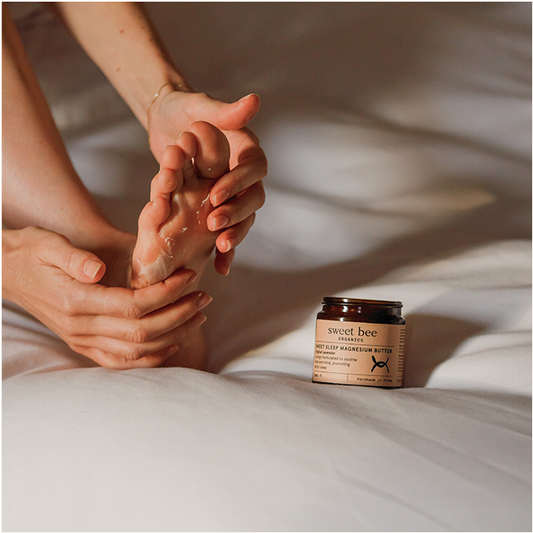
Magnesium also has a place within this wider conversation, because it contributes to normal nervous-system and psychological function. Magnesium-rich foods include leafy greens, pulses, nuts, seeds and dark chocolate, but you can also apply magnesium topically, like Sweet Sleep. Lab tested to release magnesium slowly into the surface of the skin over eight hours, it is a practical way to top up without another supplement to remember.
We know from research that women with PMOS may have lower levels of magnesium, and we also know that magnesium plays a key role in regulating the balance of neurotransmitters such as GABA and serotonin, which support our mood.
What I wish more women knew
Supporting your nervous system isn’t another task to perform perfectly.
It is about reducing some of the pressure and creating the conditions that make eating well, moving, sleeping and recovering easier. Start with the part of your day that currently feels hardest and ask: what would make this feel slightly more manageable?
References
- The role of the autonomic nervous system in polycystic ovary syndrome, Frontiers in Endocrinology, 2024
- The Role of Magnesium in Depression, Migraine, Alzheimer’s Disease, and Cognitive Health: A Comprehensive Review, Nutrients, 2025
- Associations of Serum Magnesium With Insulin Resistance and Testosterone in Women With Polycystic Ovary Syndrome, Frontiers in Endocrinology, 2021
This article is for general information only and is not a substitute for medical advice. If you have PMOS or are concerned about stress or anxiety, speak to your doctor or a qualified healthcare professional before making changes to your routine or supplements.